

Environmental Dimension
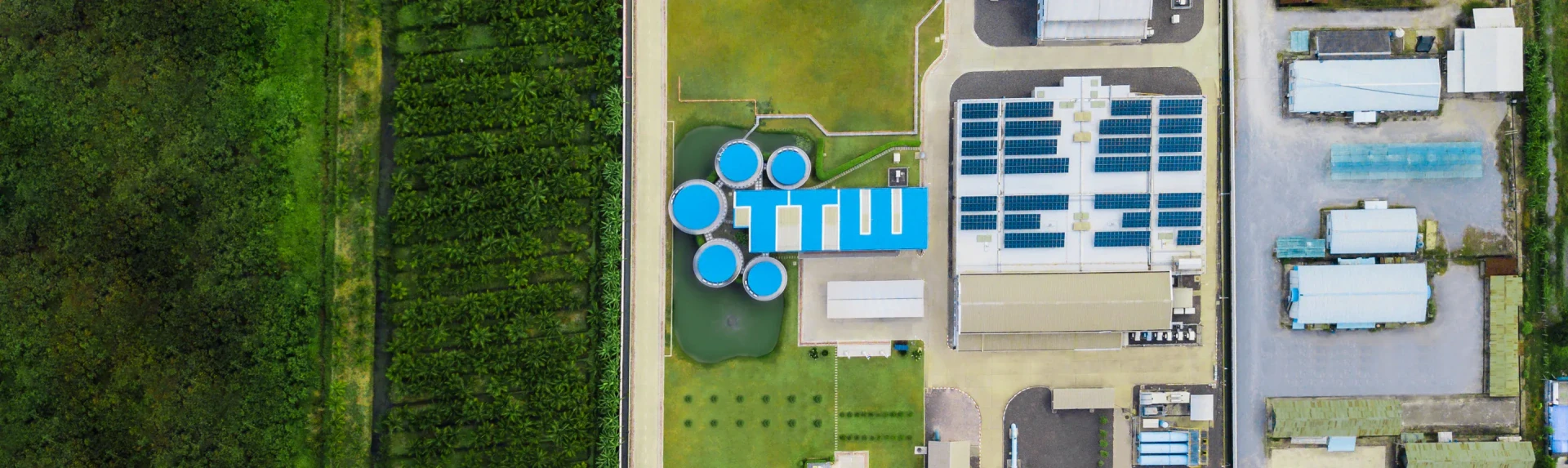
The company is environmentally conscious recognizing its impact as both a contributor and an entity affected by environmental factors.
Given that the raw materials used in production are often limited natural resources, environmental considerations are paramount. The company prioritizes environmental issues, emphasizing risk management and identifying opportunities for long-term competitiveness. This includes environmentally friendly production processes, water management, waste and material reduction, climate change mitigation, energy conservation, biodiversity preservation, inter-organizational environmental care collaboration, and compliance with environmental laws.
Highlight Performance 2025

Water Quality and Sustainable Environmental Management
Reviewed
quality and environmental policy

Issued
Biodiversity Policy
Raw water consumption
(Tap Water Supplied)

No
legal or regulatory violations related to the environment

Water reuse rate

Energy use per unit decreased by

No
wastewater discharge into natural sources
No
chemical or lubricant spills into nearby communities

GHG emissions:
Scope 1+2: 0.00025 tCO2e/m3
Scope 1+2+3: 0.00029 tCO2e/m3
No
Sludge discharge incidents
Water leakage
in production

Non-hazardous waste
reduced: 0.10 kg/m3 (Tap Water Supplied)
No unresolved
environmental complaints

Hazardous waste ratio
0.00001 kg/m3
(Tap Water Supplied)

hazardous waste sorted to avoid contamination
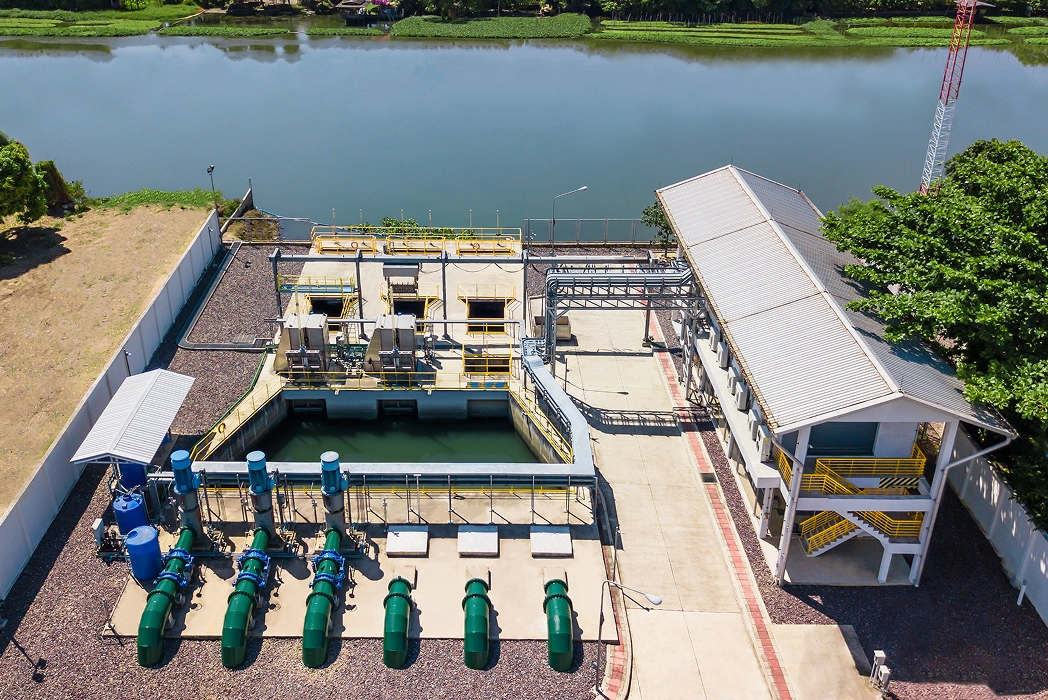
Using Resources Efficiently
The company is conscious of and prioritizes environmentally friendly production processes to promote the manufacturing and consumption of Eco-Products.
Initiatives include Green Procurement practices, the use of alternative and recyclable resources, waste-free production processes (e.g., no discharge of pollutants), and ensuring the safety of workers and stakeholders. The Company establishes policies for quality and environmental considerations as part of its organizational environmental management practices, adhering to international standards such as ISO 14001:2015 for effective environmental management systems within the organization.
of water recycled in new production processes in 2024.
No
environmental complaints from external communities.
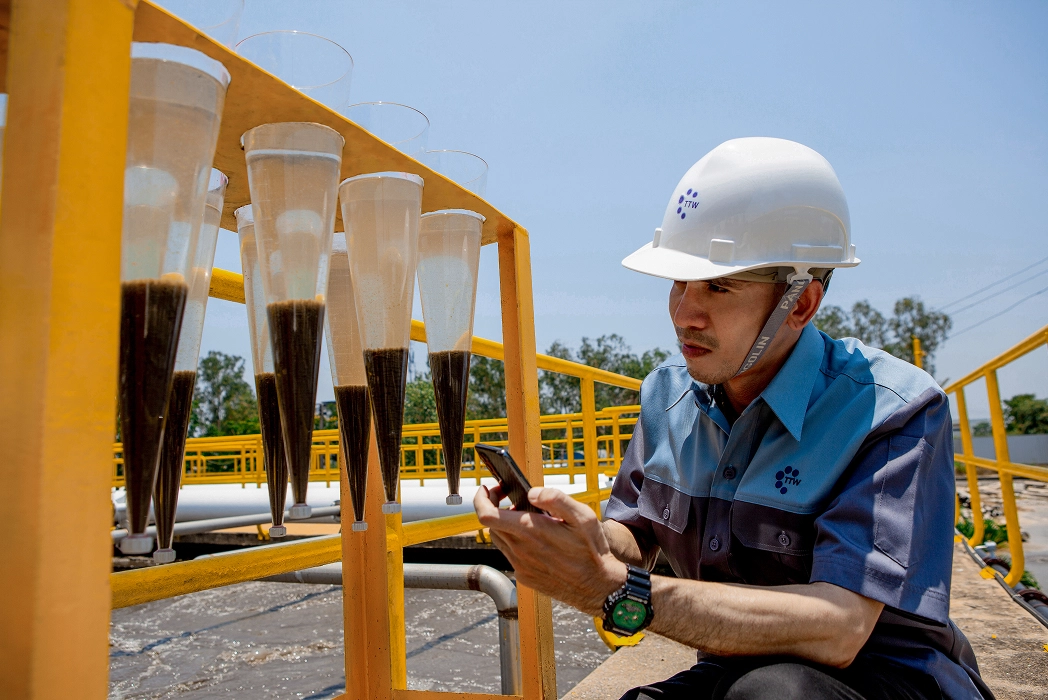

Water Management
The Company is committed to reducing water usage, including minimizing both direct and indirect impacts on water resources, such as avoiding operations in water-stressed areas and reducing pollution discharged into water sources. In addition, the Company promotes water resource management in compliance with relevant regulatory requirements and fosters trust among stakeholders in the communities that rely on water resources.
Raw water usage rate per unit of product shall not exceed (tap water supplied)
Not less than
Proportion of water reused.
Not less than
Proportion of water loss in the production process


Waste and Unused Materials Management
The Company is cognizant of the environmental contamination and safety implications for stakeholders stemming from waste generation within its business operations, spanning the entirety of the supply chain,
encompassing activities such as raw material transportation, production, and delivery of goods and services. By prioritizing compliance with regulatory standards and adhering to recommendations set forth by licensing agencies, the Company consistently endeavors to mitigate environmental impacts associated with waste disposal. This commitment extends to minimizing the volume of waste destined for disposal, actively seeking avenues for waste reuse in alignment with Circular Economy principles.
Non-hazardous waste generated per unit of product
Total hazardous waste/ by-products disposed
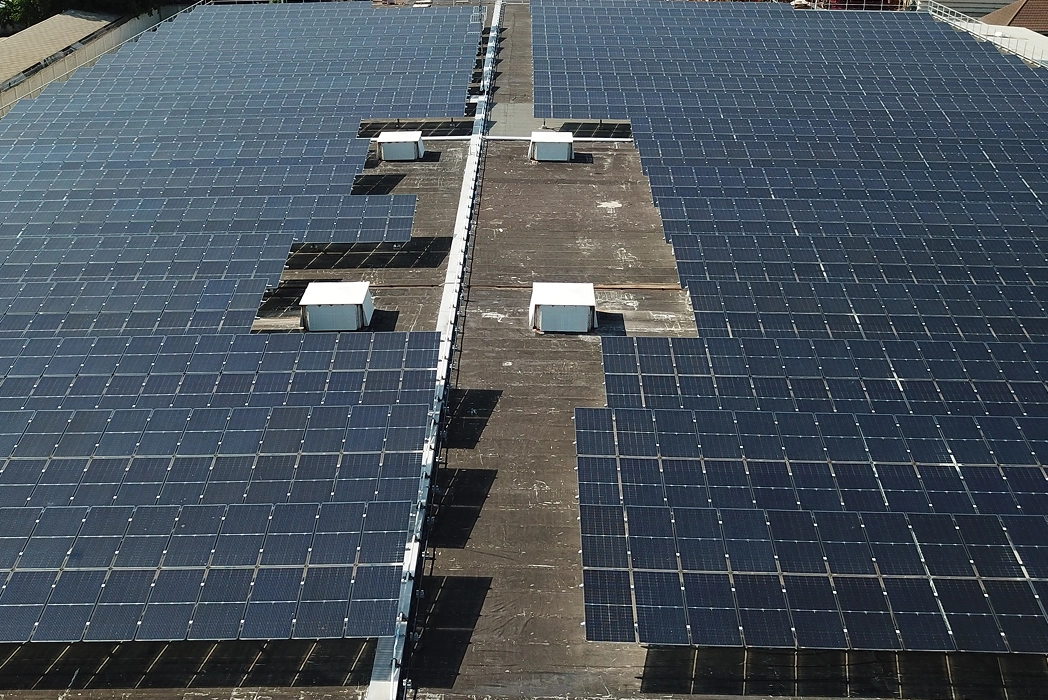

Climate Change Management
The Company recognizes the importance of being part of the global community’s efforts to reduce GHG emissions and to limit the rise in average global temperature to no more than 1.5 degrees Celsius.
This includes supporting the national target under the Nationally Determined Contribution (NDC) to reduce GHG emissions and address climate change. Therefore, to support this goal, the Company has established policies and strategies on energy management and climate change, which cover all organizational operations and align with international standards. The Company has also set up a corporate carbon footprint working group and implemented operational guidelines to manage GHG emissions from business processes, aiming to become a Net Zero GHG Emissions organization by 2065.
Climate Change and Energy Conservation
Net Zero Greenhouse Gas Emissions Approach
GHG Certificate 2022
GHG Certificate 2023
GHG Certificate 2024
CFO TTW Certificate 2025
CFO PTW Certificate 2025
CFP TTW Certificate (Nakhonpathom | Samutsakhon)
CFP TTW Certificate (Bang Pa-In)
CFP PTW Certificate (Pathumthani)
GHG Management Policy
Greenhouse Gas Emissions
Greenhouse Gas Emissions Intensity per Unit of Product (Scope 1 + Scope 2 + Scope 3)
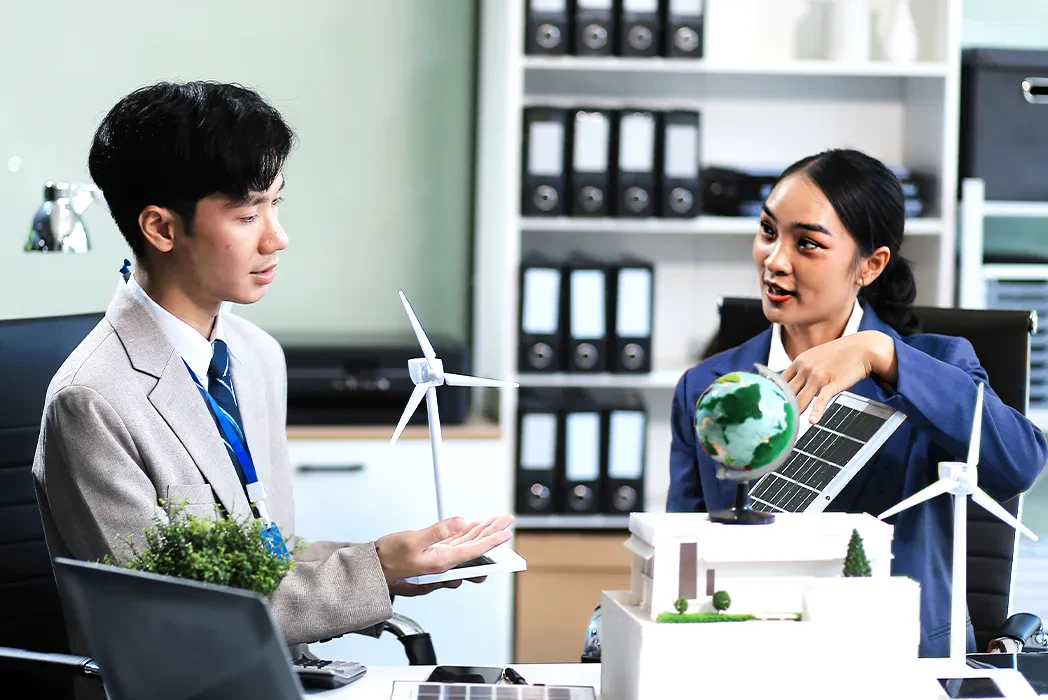

Energy Conservation
The Company recognizes the importance of energy conservation as an integral part of its operations.
Accordingly, it has established internal guidelines to promote energy efficiency among employees, ensuring consistent practices across the organization. This approach aims to enhance employee participation, reduce operating costs, and support national energy conservation policies.
Electricity Consumption per Unit of Product
Renewable Electricity Consumption


Biodiversity Management
TTW Public Company Limited and its subsidiaries(the “Company”) are committed to conducting business sustainably based on environmental responsibility.
The Company emphasizes and promotes biodiversity and ecosystem conservation to preserve natural resources in their integrity for future generations. Accordingly, the Company has established the Biodiversity Policy to serve as a unified guideline
100%
Employees and executives have received communication on and acknowledged the Company's Biodiversity Policy.
Zero complaints
were received concerning negative impacts on ecosystems and biodiversity.


Environment Cooperation between Organizations
The Company cannot operate for business sustainability in the long term. If there is no cooperation from the community and relevant agencies in the area.
In the past, the Company has participated for the planning and preparation of energy conservation projects and conserve natural resources and environment in cooperation with external agencies such as water management, Waste and Unused Materials Management and Climate Change and Energy Conservation by creating projects or activities to care for the environment.

Environmental Regulatory Compliance
The company emphasizes conducting business in an environmentally friendly manner and adheres to various conditions and requirements specified in the laws comprehensively.
The company is aware of the importance of environmental management in conjunction with its business operations. It has established an Environmental Management System (ISO 14001:2015) with the goal of conducting internal audits at least once a year to raise awareness and verify the environmental management system among employees.
0 Case
Violations of environmental laws or regulations.
0 Baht
Fines for violations of environmental laws or regulations.
